

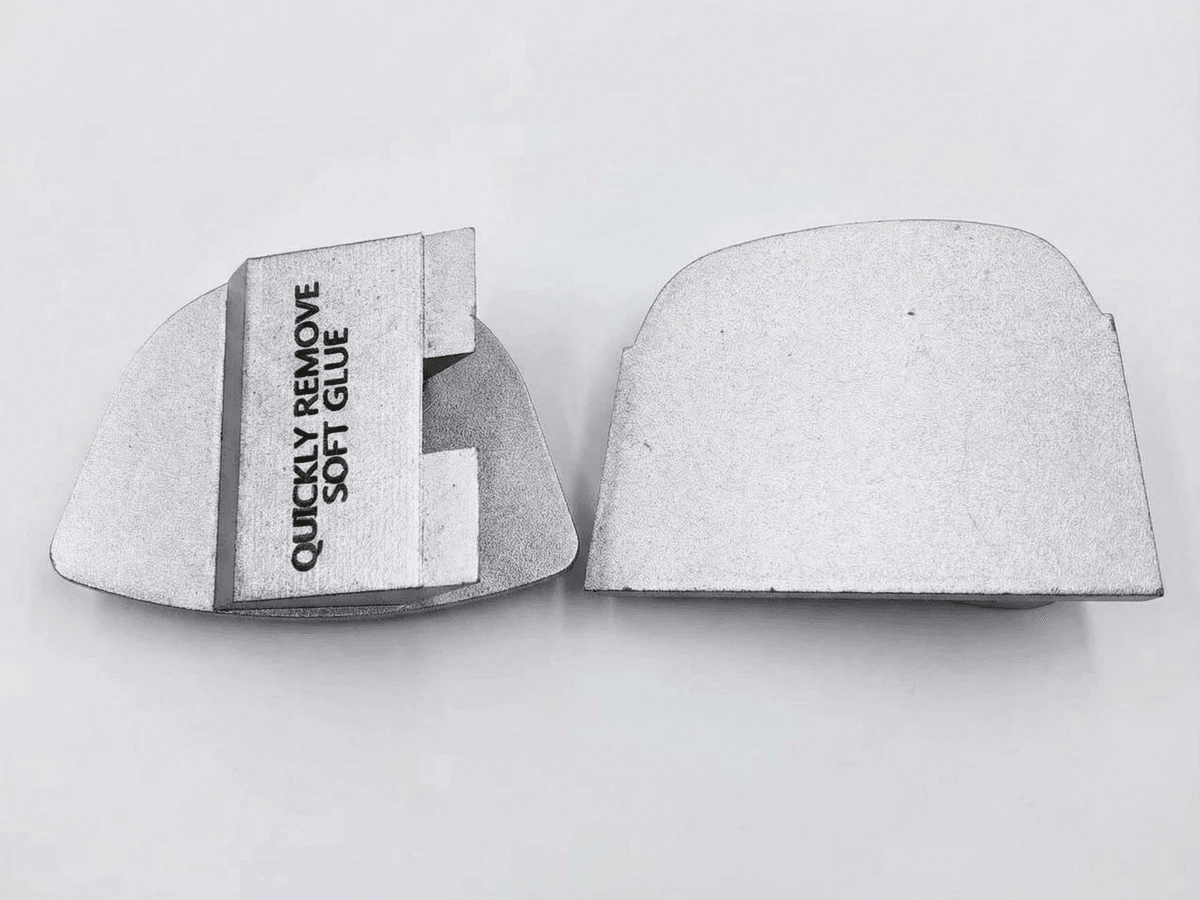
Soft glue removal is one of the most frustrating stages in concrete floor preparation. Many contractors assume glue removal is similar to standard coating removal, but soft adhesive behaves very differently on the slab.
Instead of breaking cleanly, soft glue often heats up, smears, and sticks to the tool. That is why standard metal bond diamonds often underperform on glue-heavy floors. They can load up quickly, lose cutting efficiency, and force the operator to stop repeatedly for cleaning.
This is the real reason quick soft glue removal tools exist.
A soft glue quick removal tool is designed to grab, lift, and break adhesive layers more effectively before heat buildup turns the glue into a smeared mess. In practical jobsite use, the goal is not just “remove glue.” The goal is to remove glue fast enough that the floor can move into the next preparation stage without wasting hours on clogged tools and repeated passes.
This matters especially on commercial renovation jobs, old carpet glue removal, mastic cleanup, and floors where thin glue residue still blocks proper bonding for the next coating or polishing step.
Different contractors use different machine brands, so the first question is not only tool style. It is also plate compatibility.
For example:
• Klindex users need the correct quick-change version for their holder system.
• HTC users usually need an EZ-change compatible version.
• SASE users often require a quick-mount plate design.
• Lavina users need a compatible plate for L or X series tooling systems.
• EDCO users often require a wedge-in style plate.
That is why machine family matters. A glue removal segment that works well in one application still has to match the right plate system before it can be useful in the field.
But compatibility is only the first step. The second step is operating logic.
Soft glue removal works better when contractors avoid generating unnecessary heat. In practical terms, that usually means:
• keeping the grinder moving in a controlled, steady way
• avoiding excessive downward pressure
• checking the floor between passes
• preventing glue from overheating and re-smearing onto the slab
This is also why glue removal should be treated as part of a workflow, not as a one-tool event.
A practical workflow often looks like this:
1. Quick soft glue removal tool — break and lift adhesive layers
2. Floor cleanup / vacuum between passes — reduce smear and improve visibility
3. Metal bond diamond tool — reopen the slab and prepare the concrete for the next stage
That last step is important. Glue removal does not finish the floor. It only clears the surface so the next preparation tool can work correctly. After the adhesive is removed, contractors often switch to a metal bond diamond to clean the slab, remove remaining contamination, and establish a more controlled surface profile.
For contractors, this is the real value of a quick soft glue removal tool: it shortens the most difficult part of the process and makes the next grinding step more predictable.
At Monkey King Diamond, we do not treat glue removal as an isolated product question. We treat it as part of a broader concrete floor preparation workflow. That is why plate compatibility, adhesive behavior, and the next grinding step all matter when recommending the correct tool.
If your floor has soft glue, carpet adhesive, or smear-prone residue, the fastest solution is usually not “a stronger standard diamond.” It is a better glue-removal tool matched to the right machine plate and followed by the correct next-stage metal tool.