

A Rhino RS150 does not use standard trapezoid diamond tools as its native tooling configuration. A compatible magnetic adapter can bridge the Rhino plate system and selected trapezoid tools, but the machine-side connection, adapter seating and tool-side interface must all be confirmed before operation.
A recent U.S. order identified a Rhino-Grind RS-150 and included 12 magnetic adapters. The order provides a useful procurement example: quantity confirms what was purchased, but it does not prove fitment or establish how the adapters should be distributed across a particular machine setup.
Why the RS150 Needs a Conversion Check
The RS150 manufacturer’s operating manual identifies Rhino-style tooling as the machine’s native system and states that standard trapezoid tooling is not a native option.
This does not mean trapezoid tools cannot be used through a suitable conversion system. It means the contractor needs an additional interface that matches both sides of the setup.
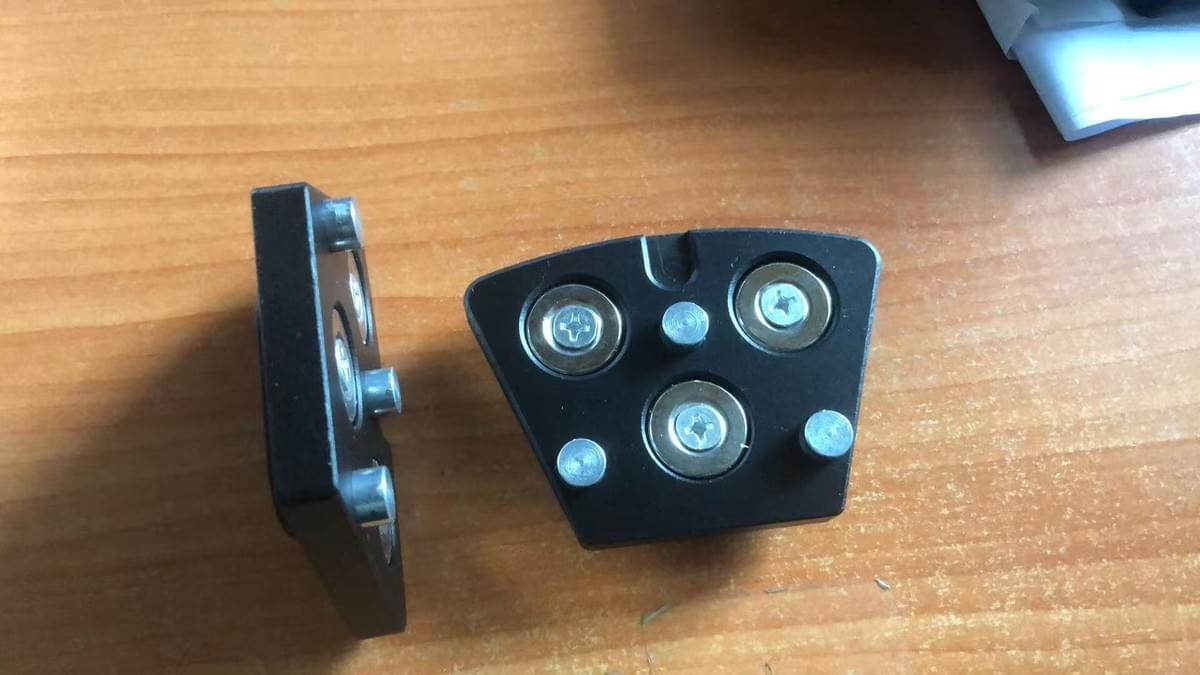
The machine side must match the RS150 plate and holder arrangement. The tool side must match the back, mounting geometry and dimensions of the intended trapezoid tool. The magnetic adapter for compatible NewGrind and Rhino grinders is designed to provide that connection when these interfaces have been confirmed.
The adapter is not a diamond grinding tool. It holds the selected tool and transfers the grinder’s movement and pressure to it. Cutting performance still comes from the PCD or metal-bond tool installed on the adapter.
What a 12-Piece Order Confirms—and What It Does Not
A 12-piece order confirms the product and quantity requested for a particular procurement. It does not automatically confirm that 12 adapters constitute a complete RS150 setup.
The correct working quantity depends on the machine’s actual plate arrangement, how many positions will be used and whether the adapters are intended for a full operating set, a partial configuration or spare inventory.
Before treating any quantity as a complete set, compare it with the machine underside and current plate configuration. Every active position must use a balanced and consistent tooling arrangement. A mixed or incomplete setup should not be justified simply because a particular number of adapters was ordered.
Check the Machine Side Before Selecting the Tool
Start with the exact machine model rather than the Rhino brand name alone. Different Rhino grinders can use different head sizes, plate layouts and holder arrangements. The Rhino grinder tooling page can help organize the available workflow options, but the physical plate still needs to be checked.
Disconnect the grinder from its power supply before inspecting the underside. Check the existing tool plates, drive pins, rubber grommets, fasteners and seating surfaces. Worn, damaged or missing components must be addressed before installing an adapter.
Compare the adapter’s contact points and magnet layout with the actual plate. The adapter should sit evenly without rocking, forced engagement or interference with nearby components. If the machine-side interface is unclear, review the available floor-grinder adapters and plates using the exact model and plate photographs.
Check the Trapezoid Tool Back
“Trapezoid tool” describes a general tool shape, not one universal mounting interface.
Two trapezoid grinding shoes can look similar from the segment side while using different backs, holes, retaining points, tabs or mounting dimensions. A magnetic adapter should therefore be checked against the back of the intended tool, not only against its outline.
Confirm that the tool seats fully, stays flat and cannot move sideways after engagement. Also check tool thickness and working height. The diamond segments should contact the floor consistently across the complete operating set.
Do not assume that a PCD trapezoid and a metal-bond trapezoid use the same confirmed connection simply because both have a trapezoid-shaped body.
Match the Installed Tool to the Job Stage
The adapter changes the connection system. It does not determine the correct floor-preparation step.
If epoxy, glue, mastic or another removable coating remains on the floor, compatible PCD coating-removal tools may be appropriate after tool direction, interface and working configuration have been confirmed.
Once the coating has been removed, PCD is not automatically the next tool. Surface opening, leveling and scratch control normally require suitable metal-bond grinding tools. Grit and bond must be selected according to the concrete, the existing surface and the result required for the following step.
The adapter should not be used to compensate for an incorrect grit, bond or tool type. If the installed diamond tool is wrong for the job, changing the holder will not correct the cutting behavior.
Install a Consistent Working Set
Turn the grinder off and disconnect power before changing plates, adapters or tools. Allow recently used tooling to cool before handling it.
Inspect the RS150 grommets and connection points before installation. Seat each adapter completely and confirm that every installed trapezoid tool uses the same mounting interface.
Tools operating together should have consistent segment height, grit, bond and general configuration. Mixing new and heavily worn tools can change how pressure is distributed across the floor.
Before beginning production work, verify that all parts are secure and that there is adequate clearance. Start with the machine’s speed control at its lowest setting, as directed by the RS150 operating instructions, and observe the first test area before increasing production speed.
Read the First Test Area Before Continuing
If an adapter does not sit flat, stop. Recheck the machine-side plate, contact surfaces, magnet arrangement and adapter specification.
If a trapezoid tool shifts or does not engage securely, do not continue grinding. Recheck the tool back and the adapter’s tool-side interface.
If the scratch pattern is uneven, inspect adapter seating, segment height and whether the same tooling configuration is installed across all active positions.
If abnormal vibration appears after the conversion, shut the grinder down and disconnect power. Inspect the grommets, fasteners, adapters and tool arrangement before restarting. Increasing speed is not a substitute for correcting a loose or mismatched setup.
A conversion adapter is valuable when it gives a contractor access to a suitable trapezoid tooling system without replacing the grinder. That value depends on confirming both interfaces and building the next floor-preparation step around the actual coating, concrete and scratch pattern—not around the product name alone.