


- …
- …
PCD & Coating Removal Tools
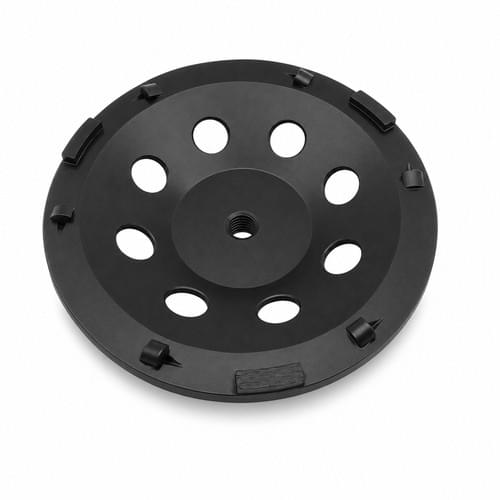
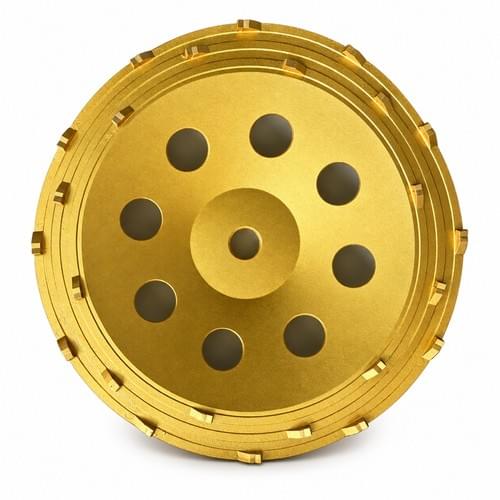
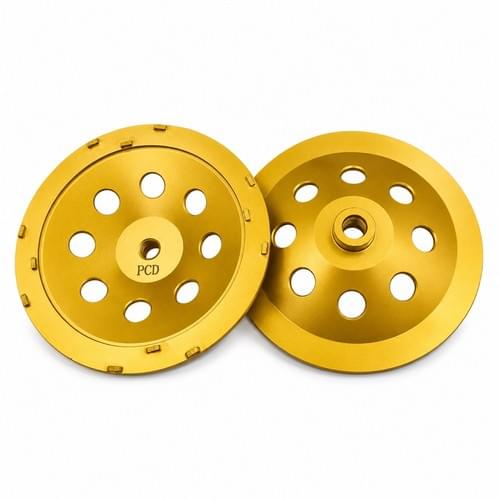
Choose PCD tools for epoxy, glue, mastic, paint, sealer, and coating removal before concrete grinding.
Select the coating type, machine connection and rotation option listed for your setup, then order online. Free U.S. shipping and import taxes included; standard products usually ship within one week.
How to Choose PCD Coating Removal Tools
Choose the PCD tool by what the coating does under the grinder, not only by the coating name.
Thin paint, brittle epoxy, sticky glue, soft mastic, waterproofing residue, and thick floor coating all behave differently. If the coating breaks into dry chips, a more open PCD layout can clear fast. If the material smears, heats up, or packs under the segment, the job needs a tool that keeps the cutting path open instead of only cutting harder.
For epoxy, glue, mastic, paint, sealer, and coating removal before concrete grinding, start from PCD coating removal tools. After the coating is removed, use metal bond grinding tools to open and control the concrete scratch before moving into hybrid pads or resin polishing pads.
Match the PCD Tool to the Grinder
PCD direction and plate fit matter. A Lavina, Husqvarna, HTC, Klindex, Scanmaskin, EDCO, Terrco, ASL, WerkMaster, or Prep/Master grinder may need a different attachment style and rotation direction. If the machine fit is wrong, the tool can drag, wear unevenly, or gouge the slab.
Before ordering, confirm the grinder model and tooling connection through shop by machine, or use contact us when the plate system is unclear.
What to Check Before Ordering
Check the coating type, coating thickness, concrete hardness, machine model, rotation direction, and the next step after removal. If the floor still has coating residue, stay in the removal stage. If the slab is clean but scratched, move into metal bond grinding. If the metal scratch is controlled, then move toward hybrid or resin polishing.
Concrete Surface Preparation Tool Workflow
Concrete surface preparation tools should be selected by job stage. PCD tools are used first when the surface still has epoxy, glue, mastic, paint, sealer, or coating residue. They remove the material sitting on top of the slab, but they are not the final grinding step.
After coating removal, use metal bond grinding tools to open the concrete, flatten high spots, and control the scratch pattern. If the metal scratch is still visible before polishing, move into hybrid pads. Use resin polishing pads only after the surface has been properly refined.
For edges, wall lines, corners, and small repair zones, use cup wheels and edge grinding tools instead of forcing the main floor grinder into areas it cannot reach cleanly.
For machine fitment, plate style, rotation direction, and tool connection, check shop by machine. If a coating type or connection is unclear, optional selection help is available. Standard configurations can be ordered directly online.
PCD Scraper, Hand-Held, and Walk-Behind Grinder Selection
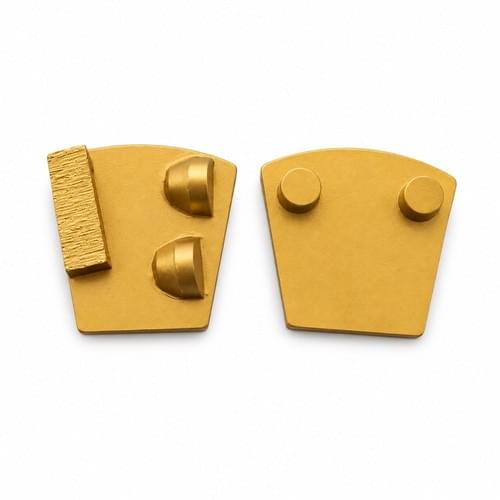
PCD scraper tools are used when coating removal needs a scraping action instead of normal grinding. Use them for epoxy, glue, mastic, paint, sealer, waterproofing residue, and other coating layers that sit on top of the concrete.
For walk-behind grinders, choose the PCD tool by machine brand, rotation direction, coating thickness, floor hardness, and how aggressive the first pass should be. A heavier grinder can usually drive a more aggressive PCD setup, but the next step still needs metal bond grinding tools to clean the scratch pattern.
For hand-held grinders, edge grinders, wall lines, corners, and small repair zones, use cup wheels and edge grinding tools or hand-held coating removal tools when the main floor grinder cannot reach cleanly.
If the job uses Lavina, Husqvarna, HTC, Scanmaskin, Klindex, WerkMaster, Prep/Master, Terrco, EDCO, or ASL grinders, match the listed holder connection through shop by machine and choose the standard configuration. Contact Stone only if you would like selection help or need a custom configuration.
Related PCD Jobsite Guides
For jobsite sequencing, read Floor Scraper First or PCD Grinder First? and PCD Tool Finished the Coating Removal, But Is the Concrete Ready for Grinding?.
Related PCD and Coating Removal Guides
Use these field guides to compare coating removal problems, sticky glue behavior, and how PCD tools perform on thin coating versus thick epoxy.
Bush Hammer Tools vs PCD Tools: Which Surface Problem Are You Solving?
Why PCD Tools Load Up During Sticky Glue Removal?
Thin Coating vs Thick Epoxy: Why the Same PCD Tool Behaves Differently
Frequently Asked Questions
When should I use PCD tools instead of metal bond tools?
Use PCD tools when removing epoxy, glue, mastic, paint, waterproof coatings, or other surface contaminants. After the coating has been removed, switch to Metal Bond Grinding Tools to clean the concrete and remove scratches.
Which PCD tool is better for thick epoxy?
Thick epoxy generally requires a more aggressive PCD configuration. The best choice depends on coating thickness, machine weight, grinder type, and the desired surface finish.
Which PCD tool is recommended for glue or mastic removal?
For soft glue, adhesive residue, or mastic, choose a PCD scraper designed for sticky materials to improve removal efficiency while reducing tool loading.
Do I need both clockwise and counter-clockwise PCD tools?
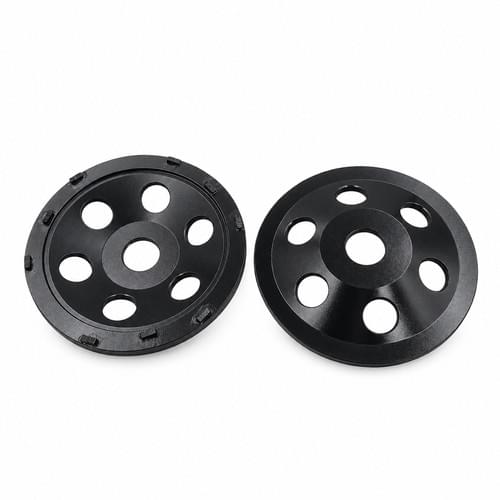
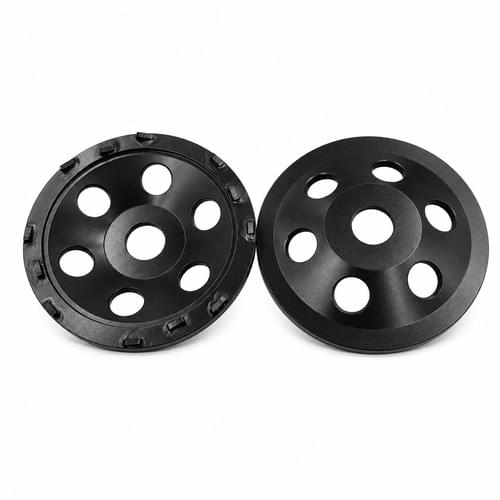
Many planetary grinders perform better when both CW and CCW PCD tools are used together, helping balance cutting forces and reduce tracking marks.
What comes after PCD coating removal?
After removing the coating, continue with Metal Bond Grinding Tools. For polishing systems, follow with Hybrid Transition Pads and finally Resin Polishing Pads.
Not Sure Which Coating Removal Tool Fits Your Grinder System?
Standard options can be selected and ordered online. Contact Stone for custom configurations or optional help with tool selection.




Contact
sales@monkeykingdiamond.com
Shanghai, China
Follow us on Social Media
Linkedin Youtube Facebook Instagram Tiktok
© Shanghai Suxian Industry & Trade Co., Ltd. All rights reserved. Terms & Conditions Privacy Policy